

Not All Downtime Stops the Production Line
When manufacturers think about downtime, they often picture a major equipment failure that brings production to a complete halt.
In reality, some of the biggest productivity losses happen while the line is still running.
These hidden interruptions—known as micro-stoppages—can last anywhere from a few seconds to a few minutes. Individually, they seem insignificant. Collectively, they reduce throughput, increase labour costs, create unnecessary waste, and lower Overall Equipment Effectiveness (OEE).
For manufacturers focused on continuous improvement, identifying and reducing micro-stoppages is one of the fastest ways to improve production performance.
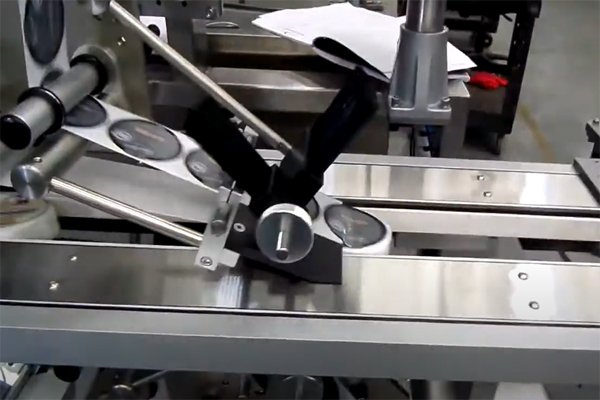
A micro-stoppage is a short interruption that temporarily disrupts production but isn't always recorded as downtime.
Common examples include:
Because these events are brief, they often go unnoticed in production reports—but their cumulative impact can be significant.
Every interruption reduces the amount of productive time available.
Over hundreds or thousands of production cycles, these lost seconds become hours of reduced output.
Micro-stoppages can lead to:
Many manufacturers focus on increasing line speed when greater gains can often be achieved by improving consistency and reducing interruptions.
Equipment failure
Minor interruptions
Easy to identify
Often overlooked
Recorded in reports
Frequently unrecorded
Significant single event
Hundreds of small events
Immediate attention
Hidden productivity loss
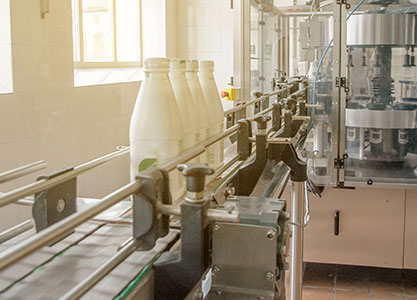
While major downtime attracts immediate action, micro-stoppages quietly reduce production efficiency every day.
Labeling systems are often one of the final stages of production, making consistency essential.
Common causes include:
These small issues create a ripple effect throughout the entire production line.
OEE measures how effectively a manufacturing operation performs by considering:
Micro-stoppages primarily reduce Performance, but they can also impact Quality by increasing defects and waste.
Improving OEE isn't always about investing in faster equipment.
Often, it's about making existing production more reliable.
Manufacturers can minimise hidden production losses by focusing on:
Improve equipment integration
Ensure labelling systems work seamlessly with conveyors, printers, scanners, and packaging equipment.
Reduce operator intervention
Reliable automation decreases the need for manual adjustments throughout the shift.
Optimise preventative maintenance
Routine servicing helps prevent small mechanical issues from becoming recurring interruptions.
Review changeover procedures
Efficient changeovers reduce lost production time between product runs.
Monitor recurring interruptions
Tracking patterns helps identify opportunities for continuous improvement.
A micro-stoppage is a brief interruption in production—typically lasting a few seconds or minutes—that reduces efficiency without causing a complete line shutdown.
Because they are short in duration, they often aren't recorded as downtime, even though they occur repeatedly throughout a production shift.
They reduce equipment performance by decreasing productive operating time, increasing operator intervention, and contributing to waste and rework.
Yes. Reliable, well-integrated labelling solutions reduce manual adjustments, improve consistency, and minimise interruptions that impact production performance.
Improving manufacturing efficiency isn't always about increasing line speed.
Sometimes, the biggest gains come from eliminating the small interruptions that quietly reduce productivity every day.
At ALDUS Tronics, we help manufacturers optimise their labelling operations with integrated automation solutions that improve reliability, reduce downtime, and support long-term production growth.


